
For Homeowners
The home you'll never have to rebuild.
Pow-R-Wall is insulated concrete from the foundation up. R-30+ walls cut energy bills by 50–70%, hold up to hurricanes and fire, and stay quiet enough to sleep through a thunderstorm. Built once, built to last decades.
Independently Tested
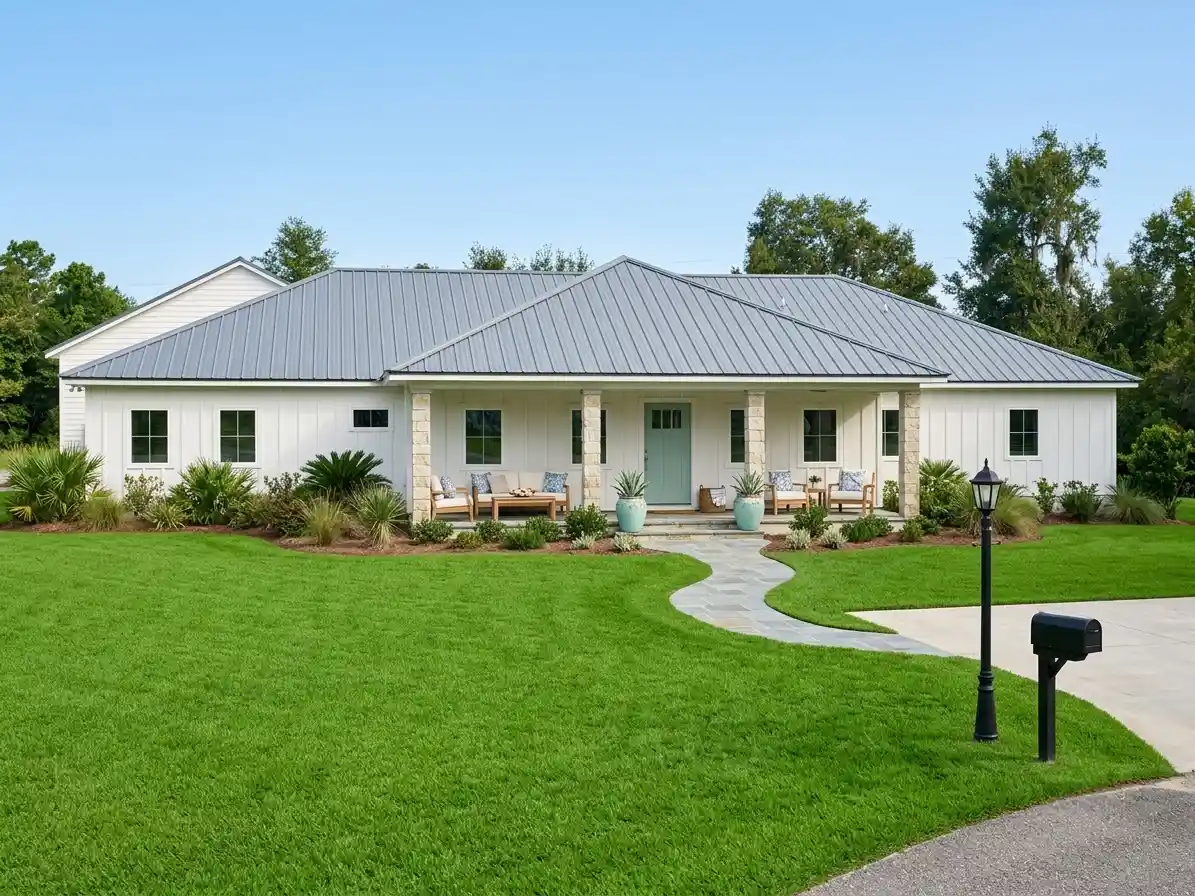
The hidden cost of building the old way.
Traditional wood-framed homes look the same on day one. They don't stay the same. Here's what they actually cost you over the next thirty years.

What is ICF construction?
Insulated Concrete Form, in plain English.
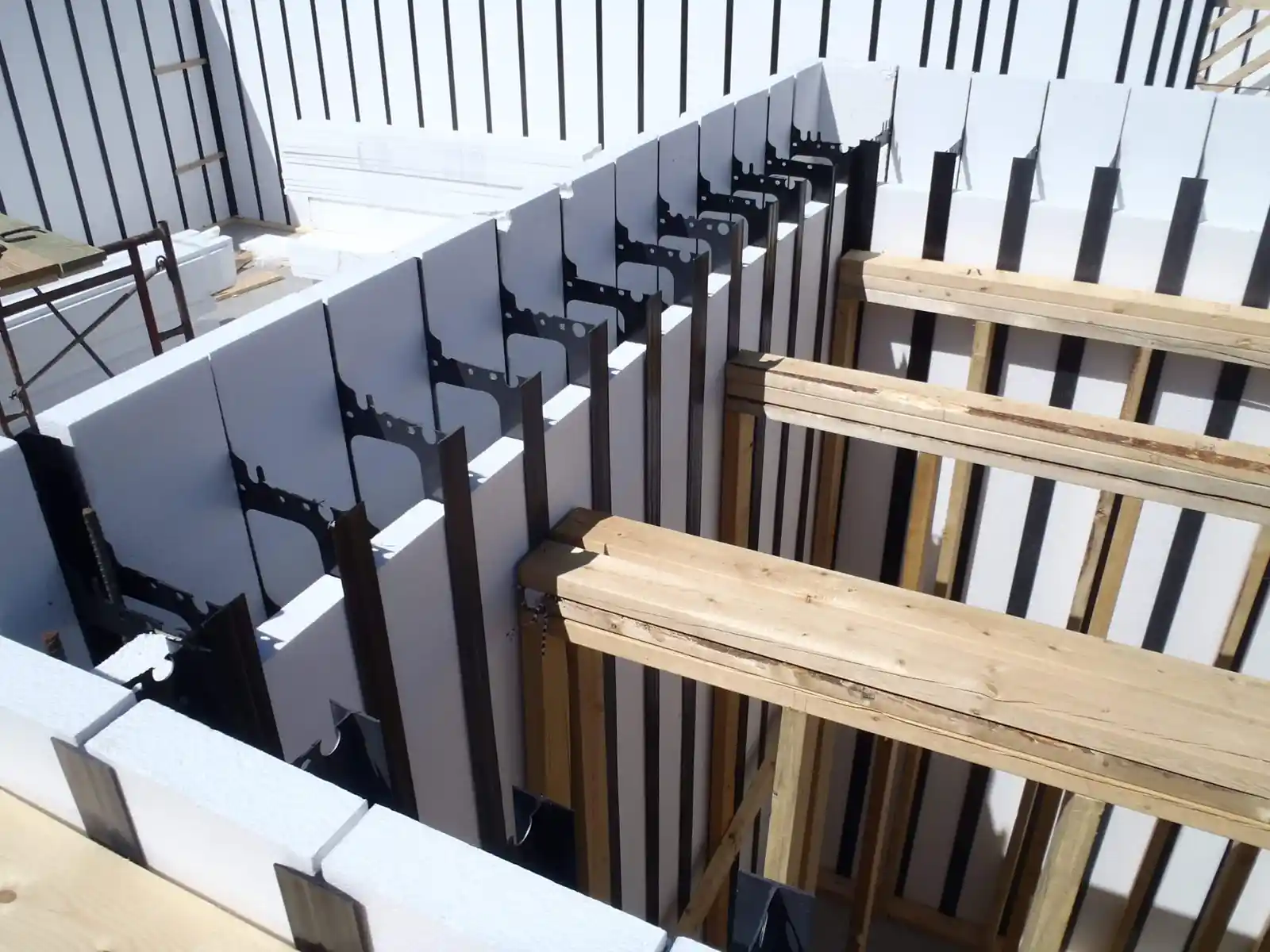
Imagine the walls of your home as a sandwich. Two thick layers of high-density foam on the outside. Rebar running through the middle. Concrete poured into the space between the foam layers. The foam stays in place forever — it's not removed after the concrete cures. The result is a wall that's already insulated, already structural, already finished on the inside, all at once.
Where is ICF construction used?
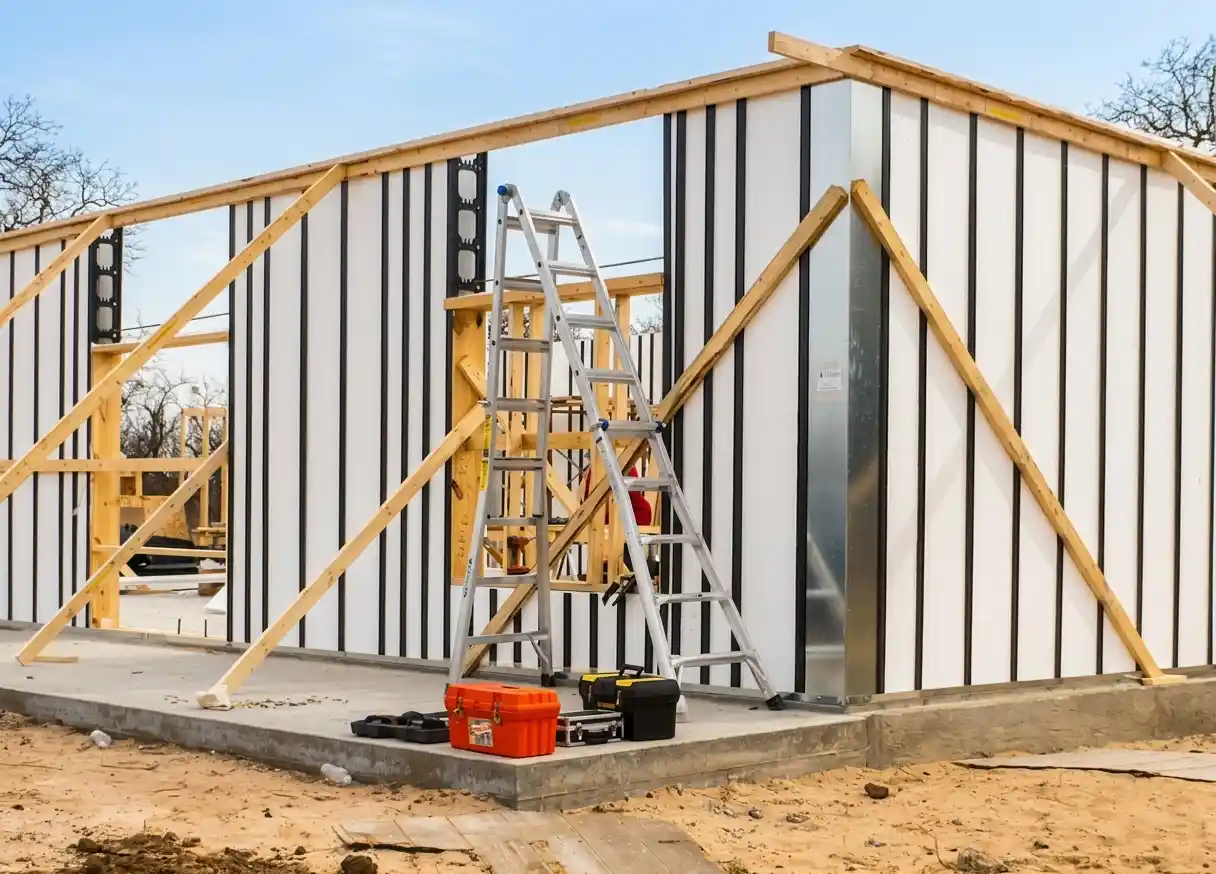
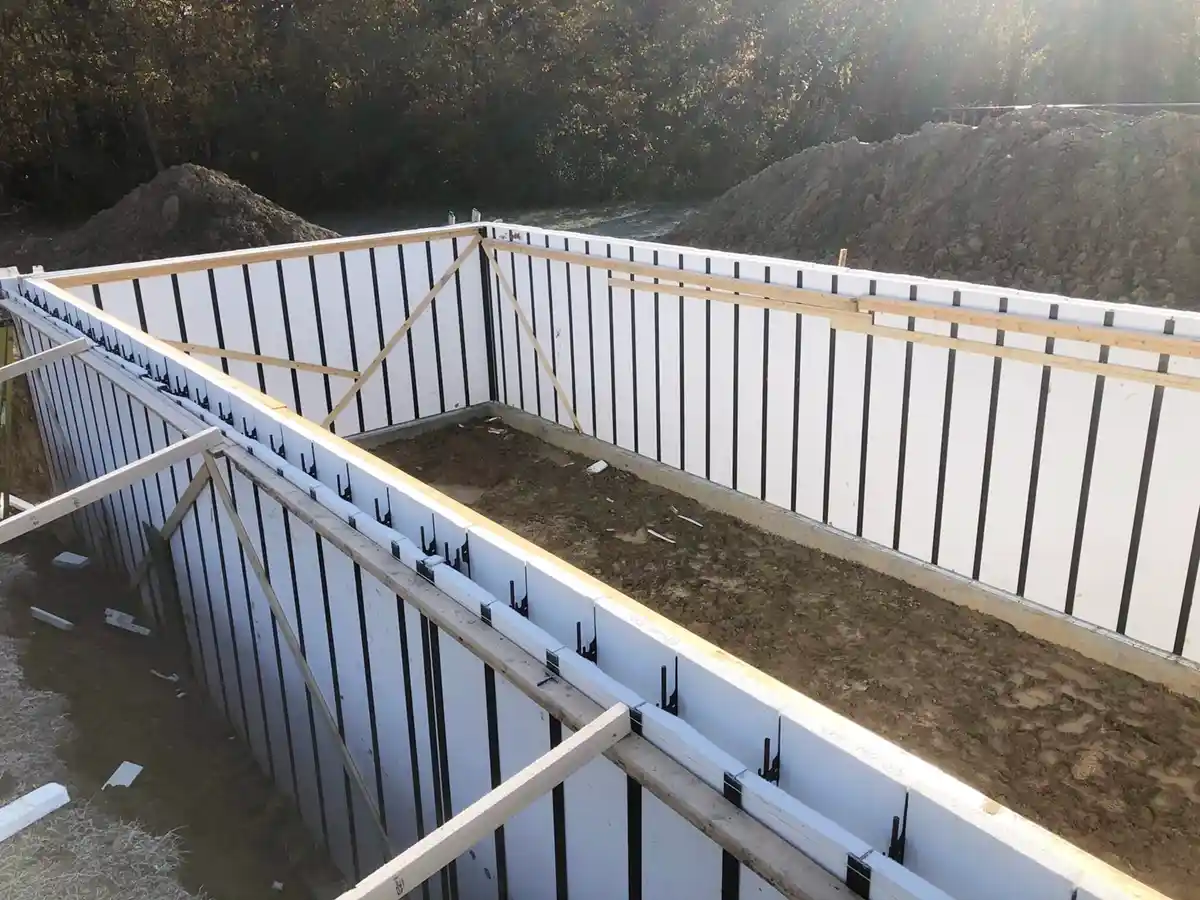
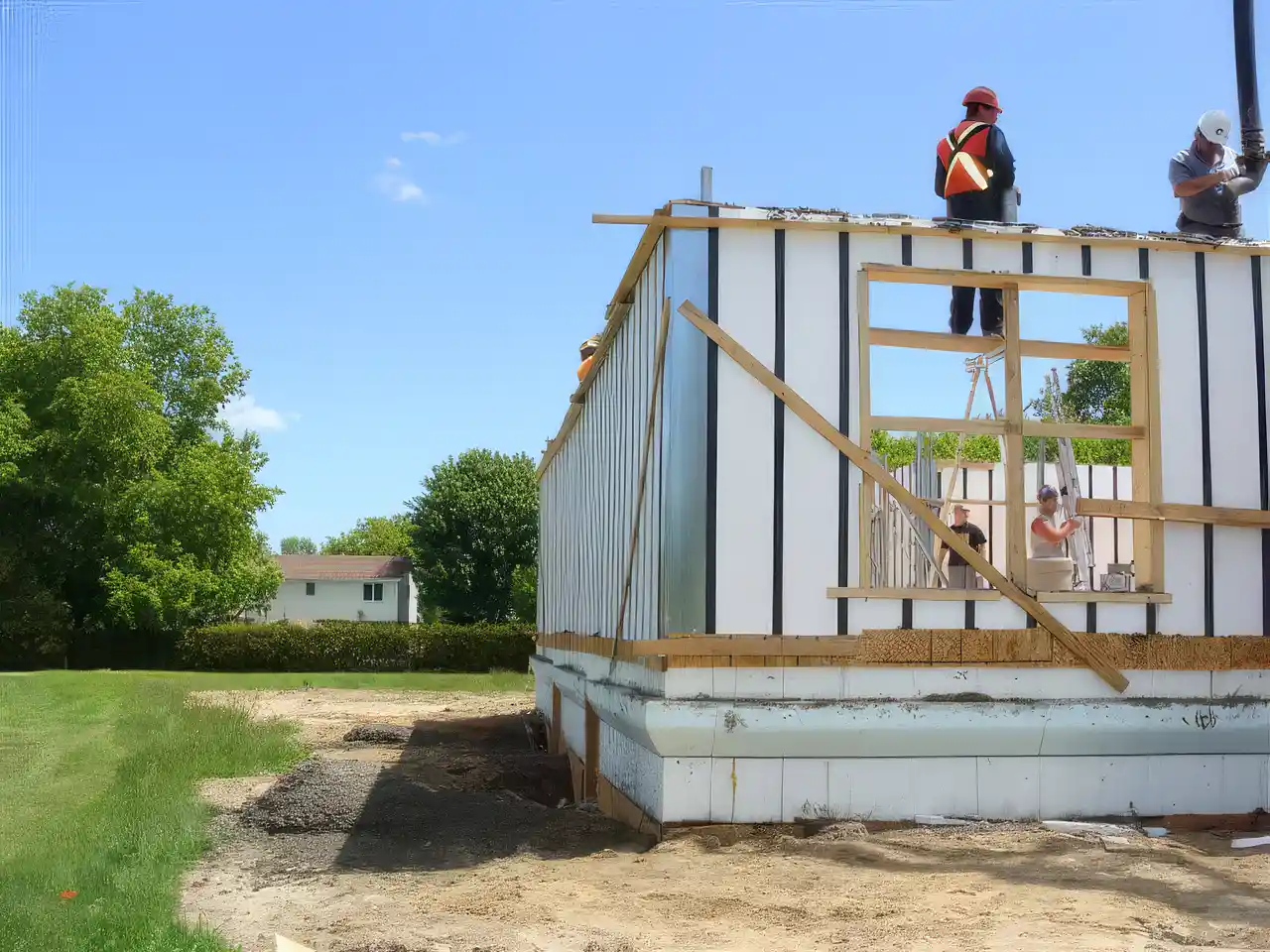
That's ICF. It's been used in homes, schools, hospitals, and storm shelters for over forty years. What changes from one ICF system to the next is the shape of the forms, how they go together, and how much labor it takes to put a wall up. Pow-R-Wall is a vertical-panel ICF system, meaning the forms install like wall framing, top-to-bottom in one pass, instead of stacking like blocks.
Why Pow-R-Wall, not just any ICF.
Most ICF systems are stacked blocks. Pow-R-Wall is engineered vertical panels — the wall version of wall framing. Here's what that means for your home.
The home that gives back.
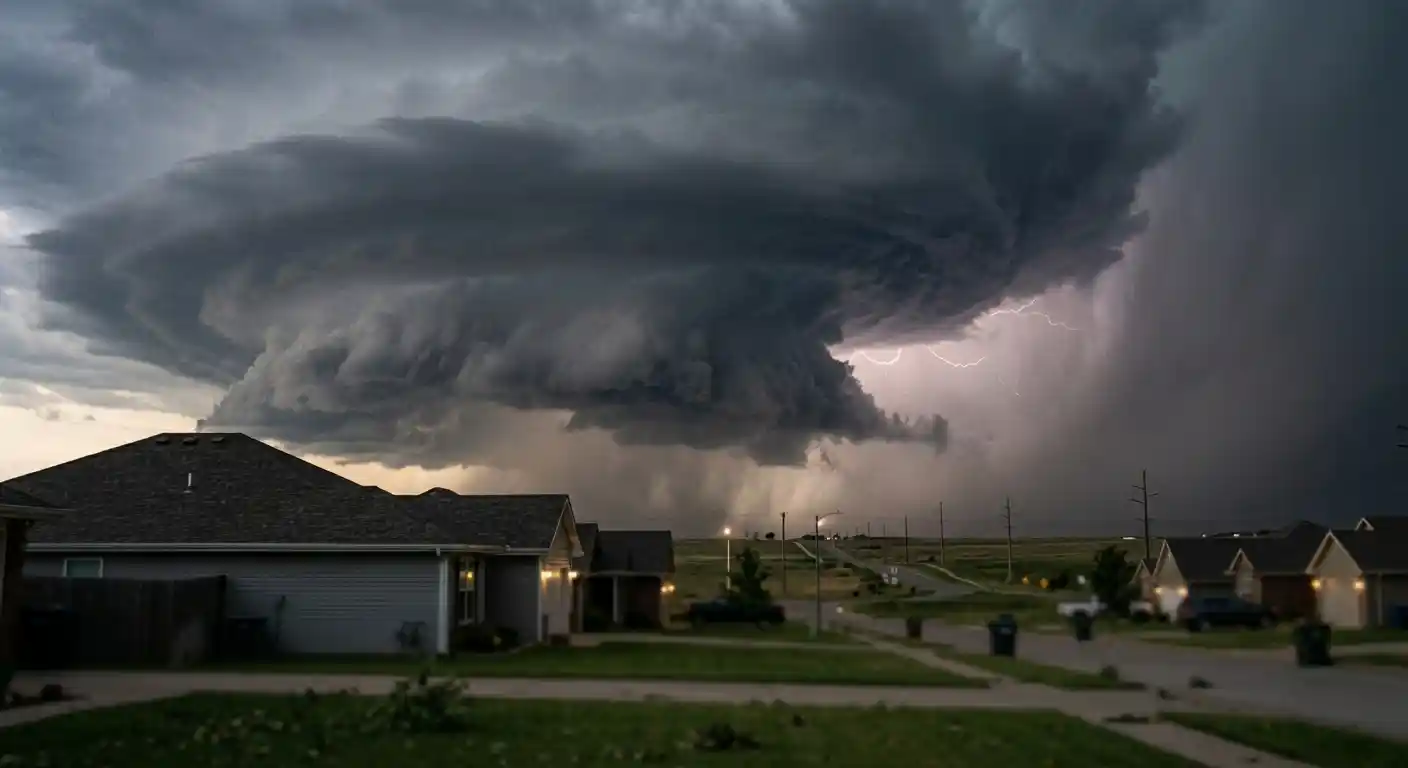
What your wood-framed home costs you, Pow-R-Wall hands back. Lower bills, stronger walls, cleaner air — across the life of the home.
70%
Up to
lower energy bills than traditional wood-framed homes.
200
Up to
mph wind ratings Pow-R-Wall walls are designed to withstand.
0
Room for
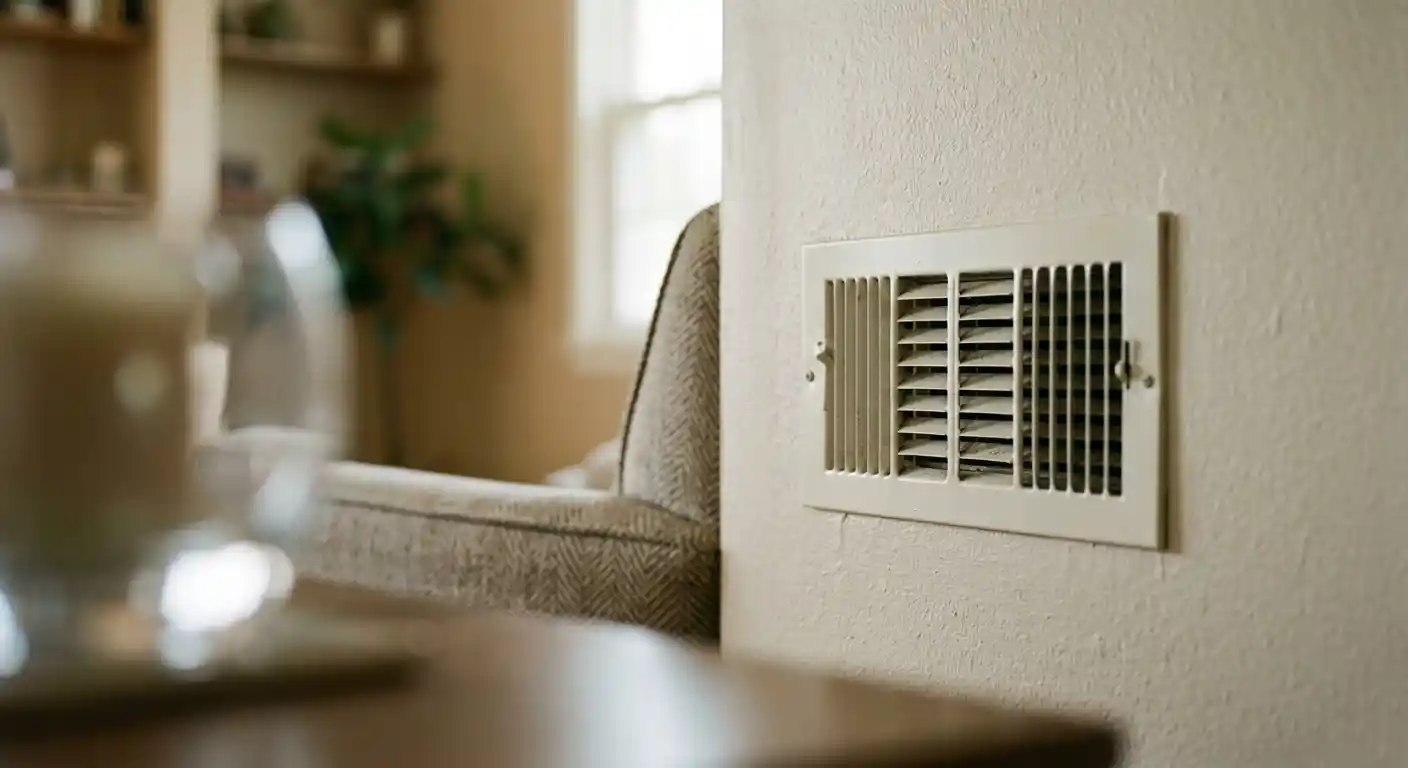
air leaks and drafts throgh the walls of the exterior structure.

About ICF Construction:
"This wall system, when installed properly, is unquestionably the most energy efficient and most structurally strong wall system on the market."
EnergyWise Structures, HVAC engineering firm
Lead engineer Dr. Michael R. Busby, former NASA thermal consultant, Apollo, Gemini, and Mercury programs
DIY or hire a builder? Both work.
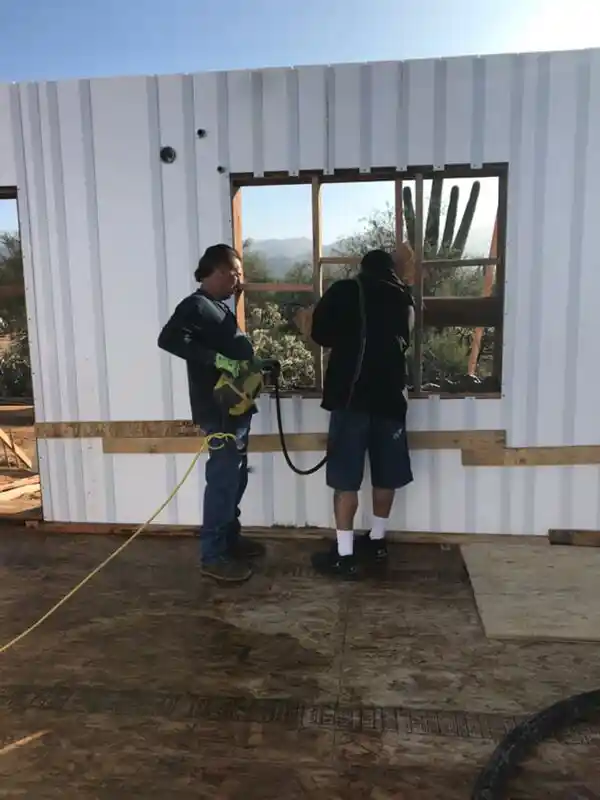
Pow-R-Wall is the ICF system best engineered to be installable by a determined homeowner. Here's how to decide.
Frequently Asked
Questions


Most homeowners build with ICF once — so the questions are real. Here are the eight we hear most. If yours isn't here, the quote form gets it answered.
What is ICF construction?
ICF stands for Insulated Concrete Form. Two layers of high-density foam sandwich a core of rebar-reinforced concrete. The foam stays in place after the concrete cures, giving you a wall that's structural, insulated, and finished on the inside all in one pour. Pow-R-Wall is a vertical-panel ICF system, meaning the forms install like wall framing instead of stacking like blocks.
How much does it cost to build a Pow-R-Wall home vs. a traditional home?
On day-one construction costs, a Pow-R-Wall home is typically 5% more than a comparable wood-framed home. Over the life of the home, the lower energy bills, lower insurance premiums (in disaster-prone areas), and zero rot/mold/termite problems usually make the total cost of ownership lower within the first few years. DIY-built homes often come in below traditional construction even on day one.
How long does an ICF home last?
Pow-R-Wall homes are designed to outlast the families who build them. Concrete and rigid foam don't rot, don't warp, and aren't food for termites. Maintenance over a hundred-year horizon is closer to a commercial building than a typical wood-framed house — meaning much less of it.
Is the air quality really better inside an ICF home?
Yes. ICF walls seal the envelope tightly, which means outside pollen, particulates, and exhaust don't drift in through gaps the way they do in wood-framed construction. There's no manufactured wood inside the wall to off-gas formaldehyde, and no cavity for mold to grow in. Paired with a good mechanical ventilation system, ICF homes consistently test cleaner than traditional construction.
Will my homeowner's insurance be cheaper on an ICF home?
In disaster-prone areas (tornado alley, hurricane coast, wildfire zones), often significantly cheaper. ICF construction qualifies for "fortified home" discounts with many insurers and meets some of the strictest building codes in the country (Miami-Dade, FORTIFIED Gold). Talk to your local insurance agent — bring the engineering stamp from your Pow-R-Wall order.
Can I finance an ICF home with a standard mortgage?
Yes. Pow-R-Wall homes are conforming construction and qualify for standard residential mortgages, including FHA and VA loans. Some lenders offer energy-efficient mortgage products that increase your borrowing power because of the lower energy costs.
Will an ICF home really cut my energy bills by 50–70%?
That's the typical range for a Pow-R-Wall envelope versus a comparable wood-framed home in the same climate. The actual number depends on your local climate, the size of the home, your HVAC system, and how you live in the space. We'll give you a project-specific estimate before you commit.
The Best Icf for homeowners
Tell us about the home you want to build.
Free consultation with a Pow-R-Wall specialist. We'll walk through your project, give you a realistic cost range, and help you decide whether DIY or hiring a builder is the right path for you. No pressure, no obligation.
Stamped drawings with every project
